

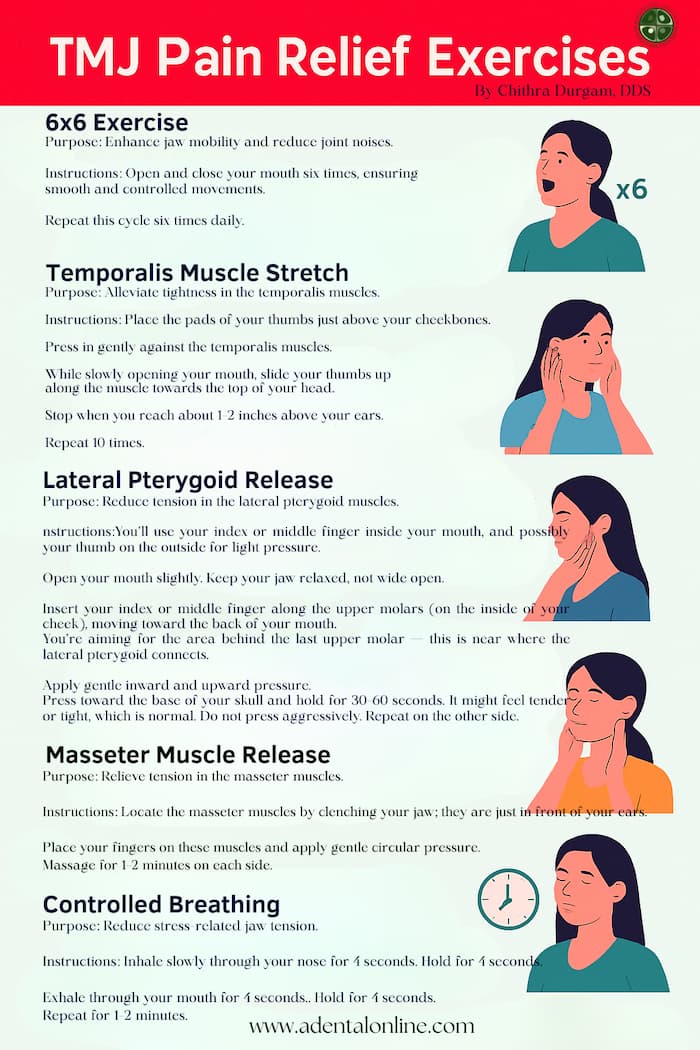
Temporomandibular Joint Disorder, commonly known as TMJ disorder, is a condition that affects the joints and muscles of the jaw. This complex disorder can lead to significant discomfort and disruption in daily activities. If you’ve ever experienced pain in your jaw or face, difficulty chewing, or a clicking sound when you open your mouth, you might be dealing with TMJ disorder. These symptoms can be both physically and emotionally taxing, often impacting your quality of life. In this article, we will explore what TMJ disorder is, its causes, and the latest research on treatments to help you find relief. Understanding these elements can empower you to seek effective management strategies.
What is TMJ Disorder?
The temporomandibular joint acts like a sliding hinge, connecting your jawbone to your skull. It is one of the most complex joints in the body, enabling movement for talking, chewing, and yawning. You have one joint on each side of your jaw. TMJ disorders can cause pain in your jaw joint and in the muscles that control jaw movement. This condition can be temporary or last for many years, with symptoms varying widely among individuals. It might affect one or both sides of your face, leading to a range of complications if not addressed timely.
Common Symptoms
- Pain or tenderness in your jaw: This can range from mild discomfort to severe pain that disrupts daily activities.
- Pain in one or both of the temporomandibular joints: Often felt as a persistent ache or sharp pain during movement.
- Aching pain in and around your ear: This may be mistaken for ear infections or other ear-related issues.
- Difficulty chewing or pain while chewing: This can lead to changes in diet and nutritional intake due to avoidance of certain foods.
- Aching facial pain: The pain can extend to other areas of the face, causing widespread discomfort.
- Locking of the joint, making it difficult to open or close your mouth: This can result in significant functional limitations and may require immediate attention.
Causes of TMJ Disorder
The exact cause of TMJ disorder often isn’t clear, but several factors can contribute to the discomfort. Understanding these factors can help in identifying potential triggers and managing symptoms effectively.
- Injury to the Jaw: Any direct blow or injury to the jaw can lead to TMJ disorder. Trauma from accidents or sports injuries can displace the joint or damage surrounding tissues.
- Arthritis: Just like other joints in the body, the jaw joint can be affected by arthritis, leading to pain and dysfunction. Both osteoarthritis and rheumatoid arthritis are potential contributors.
- Clenching or Grinding Teeth (Bruxism): Habitual clenching or grinding can put a lot of pressure on the joint, causing wear and tear. This is often exacerbated during sleep or periods of high stress.
- Stress: Stress can cause you to tighten facial and jaw muscles or clench teeth, which might exacerbate TMJ symptoms. Chronic stress can lead to prolonged muscle tension and increased sensitivity to pain.
Latest Research and Treatments for TMJ Disorder
Recent advancements in research provide new insights into the management of TMJ disorder, offering hope for those affected. The integration of various treatment modalities has shown promise in reducing symptoms and improving quality of life.
TMJ Disorder Treatments
Recent studies have highlighted various treatment options for managing TMJ disorder effectively. A 2021 study published in the Journal of Oral Rehabilitation suggests that a combination of treatments often works best in alleviating symptoms (Smith et al., 2021). This holistic approach considers both physical and psychological aspects of the disorder.
1. Physical Therapy
Physical therapy for TMJ disorder can help strengthen the muscles around the joint, improve flexibility, and reduce pain. Techniques such as jaw exercises, stretching, and posture training can significantly relieve discomfort. A review published in 2022 emphasized the effectiveness of tailored physical therapy programs in reducing TMJ pain and improving jaw function (Johnson et al., 2022). Consistent physical therapy can also help prevent future flare-ups and enhance overall joint health.
2. Medication
Pain relievers and anti-inflammatory medications can be beneficial in managing acute pain. These medications can reduce inflammation and provide temporary relief, allowing for better participation in other treatments. For more severe cases, muscle relaxants or anti-anxiety medications may be prescribed to reduce stress-related clenching or grinding. This can be particularly helpful for patients whose symptoms are exacerbated by stress.
3. Oral Splints or Mouthguards
Wearing a soft or firm device inserted over the teeth can help reduce clenching and grinding, providing relief to the jaw joint. These devices are often custom-made to fit the individual’s dental structure, ensuring maximum comfort and effectiveness. They work by redistributing bite forces and preventing further damage to the joint.
4. Lifestyle Modifications
Avoiding hard foods, practicing stress-reduction techniques, and maintaining good posture can alleviate symptoms. Techniques like yoga, meditation, and relaxation exercises can help manage stress, reducing the likelihood of jaw tension. Incorporating these practices into daily routines can lead to long-term benefits and reduced reliance on medications.
TMJ Pain Relief
Research indicates that a multi-disciplinary approach often yields the best results. In a 2020 study, Dr. Tanenbaum explored various methods to relieve persistent facial pain associated with TMJ disorders. The study highlighted the importance of a comprehensive diagnostic evaluation to tailor treatments effectively (Tanenbaum, 2020). This approach ensures that all potential contributing factors are addressed, enhancing the likelihood of successful outcomes.
Real-Life Success Stories
Consider Jane, a long-time sufferer of TMJ disorder. After years of dealing with persistent jaw pain, she sought help from a physical therapist who specialized in TMJ treatments. By committing to a personalized therapy program that included jaw exercises and stress management techniques, Jane reported significant pain reduction within a few months. Her story illustrates the impact of a dedicated treatment plan and the importance of patient commitment.
Similarly, Mark found relief through a combination of dental splints and lifestyle changes. By avoiding chewy foods and practicing mindfulness, Mark was able to alleviate his symptoms and improve his overall quality of life. His experience highlights the effectiveness of combining different treatment strategies to achieve optimal results.
When to See a Doctor
If you’re experiencing persistent pain or discomfort in your jaw, it’s important to consult with a healthcare professional. Early intervention can prevent the progression of symptoms and potential complications. They can perform a thorough examination, possibly including imaging tests, to determine the best course of action for your specific situation. A tailored treatment plan can be developed, focusing on your unique needs and circumstances.