
Introduction (General Care Instructions)
Welcome to your journey with braces! Adjusting to new braces takes a little time, but with proper care, you”ll achieve a healthy, beautiful smile. These instructions will guide you through the initial period and help you maintain your braces throughout your treatment. Please read them carefully and contact us if you have any questions.
Common Post-Op Symptoms & How to Manage Them
It”s normal to experience some discomfort, soreness, and irritation in your mouth after getting braces or after adjustments. Here’s how to manage these common symptoms:
- Soreness/Discomfort: Your teeth and jaws may feel sore for a few days after your braces are placed or adjusted. This is normal as your teeth begin to shift. Over-the-counter pain relievers like acetaminophen (Tylenol) or ibuprofen (Advil, Motrin) can help alleviate the discomfort. Follow the dosage instructions on the package.
- Irritation: The brackets and wires may irritate your lips, cheeks, and tongue initially. To help with this, you can use orthodontic wax. Break off a small piece, roll it into a ball, flatten it, and place it over the irritating bracket or wire. This creates a smooth surface and reduces friction.
- Loose Wires: Occasionally, a wire may come loose or poke your cheek. If this happens, try to gently push the wire back into place with a clean cotton swab or the eraser end of a pencil. If you cannot, cover the end with orthodontic wax. If the irritation persists or the wire is causing significant discomfort, please call our office for an appointment.
Dietary Restrictions and Recommendations
Eating with braces requires some adjustments to protect your appliances and ensure effective treatment. For the first few days after getting braces or adjustments, stick to soft foods. Throughout your treatment, avoid foods that can damage your braces.
Foods to eat (especially initially):
- Yogurt, pudding, Jell-O, ice cream
- Mashed potatoes, scrambled eggs
- Smoothies
- Soups (lukewarm)
- Soft pasta, cooked oatmeal
- Soft fruits (bananas, grapes, melons, peaches)
- Soft cheeses
Foods to avoid (throughout treatment):
- Hard foods: Nuts, hard candies, popcorn, ice, hard pretzels, hard bread/crusts (can break brackets or bend wires).
- Sticky foods: Caramel, chewing gum, taffy, sticky candies (can get stuck in braces and pull off brackets).
- Chewy foods: Bagels, tough meats, licorice (can bend wires or dislodge bands).
- Crunchy foods: Chips, raw carrots, apples (bite into small pieces), corn on the cob (cut kernels off).
Always cut food into small, bite-sized pieces to avoid putting excessive pressure on your braces.
Oral Hygiene and Care
Maintaining excellent oral hygiene is critical with braces to prevent cavities and gum disease. Braces create more areas for food particles and plaque to accumulate.
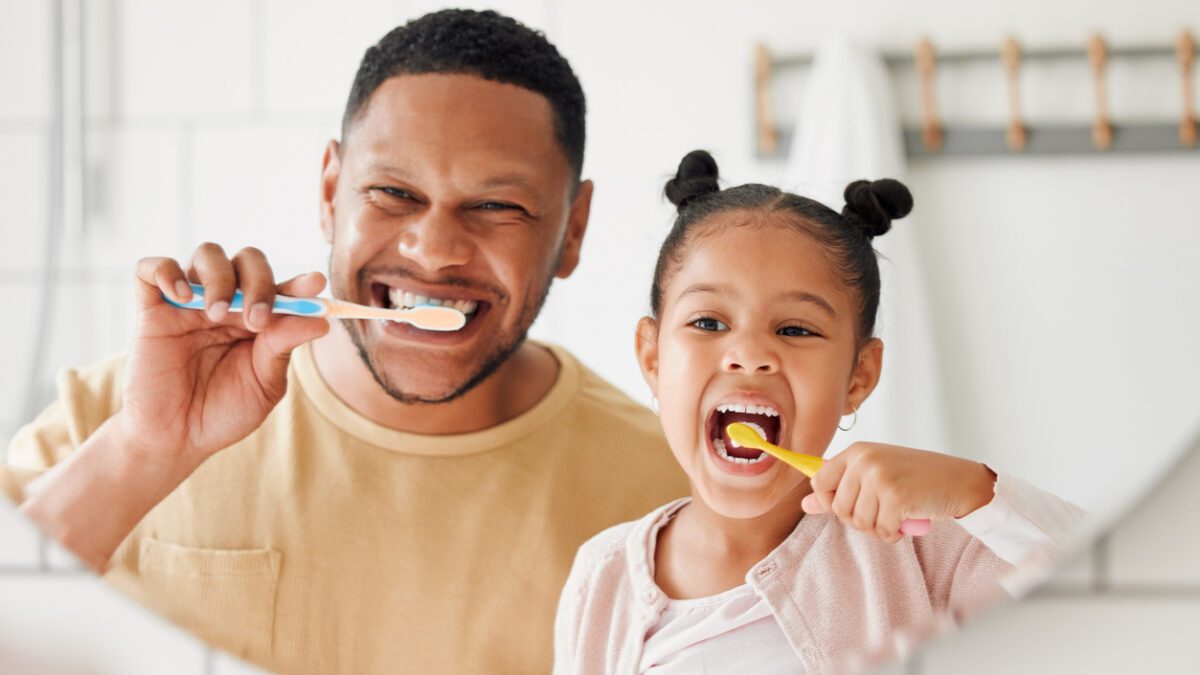
- Brushing: Brush your teeth after every meal and before bed. Use a soft-bristled toothbrush and brush around each bracket, as well as above and below the wires. An interdental brush can help clean in between wires and brackets.
- Flossing: Floss daily using a floss threader or orthodontic floss to get under the archwire and clean between your teeth and around the braces. This is essential for removing plaque and food particles that brushing alone might miss.
- Rinsing: Rinse your mouth with water or an antiseptic mouthwash after brushing to help remove any remaining debris.
Medications and Pain Management
For pain relief, over-the-counter medications like acetaminophen or ibuprofen are usually sufficient. Follow the instructions on the packaging. If pain is severe or persistent, contact our office.
Activity Restrictions (Physical Activity, Work, etc.)
Generally, there are no significant activity restrictions with braces. However, if you participate in contact sports, it is crucial to wear a mouthguard to protect your teeth, lips, and braces from injury. We can provide you with a suitable mouthguard.
When to Contact Us / Emergency Instructions
Contact our office immediately if you experience any of the following:
- Severe pain that is not relieved by medication.
- A broken bracket or band.
- A poking wire that you cannot manage with wax or by gently repositioning.
- Any significant injury to your mouth or braces.
Follow-Up Appointments
Regular adjustment appointments are vital for the success of your orthodontic treatment. Please attend all scheduled appointments as they allow us to monitor your progress and make necessary adjustments to your braces. Missing appointments can prolong your treatment time.