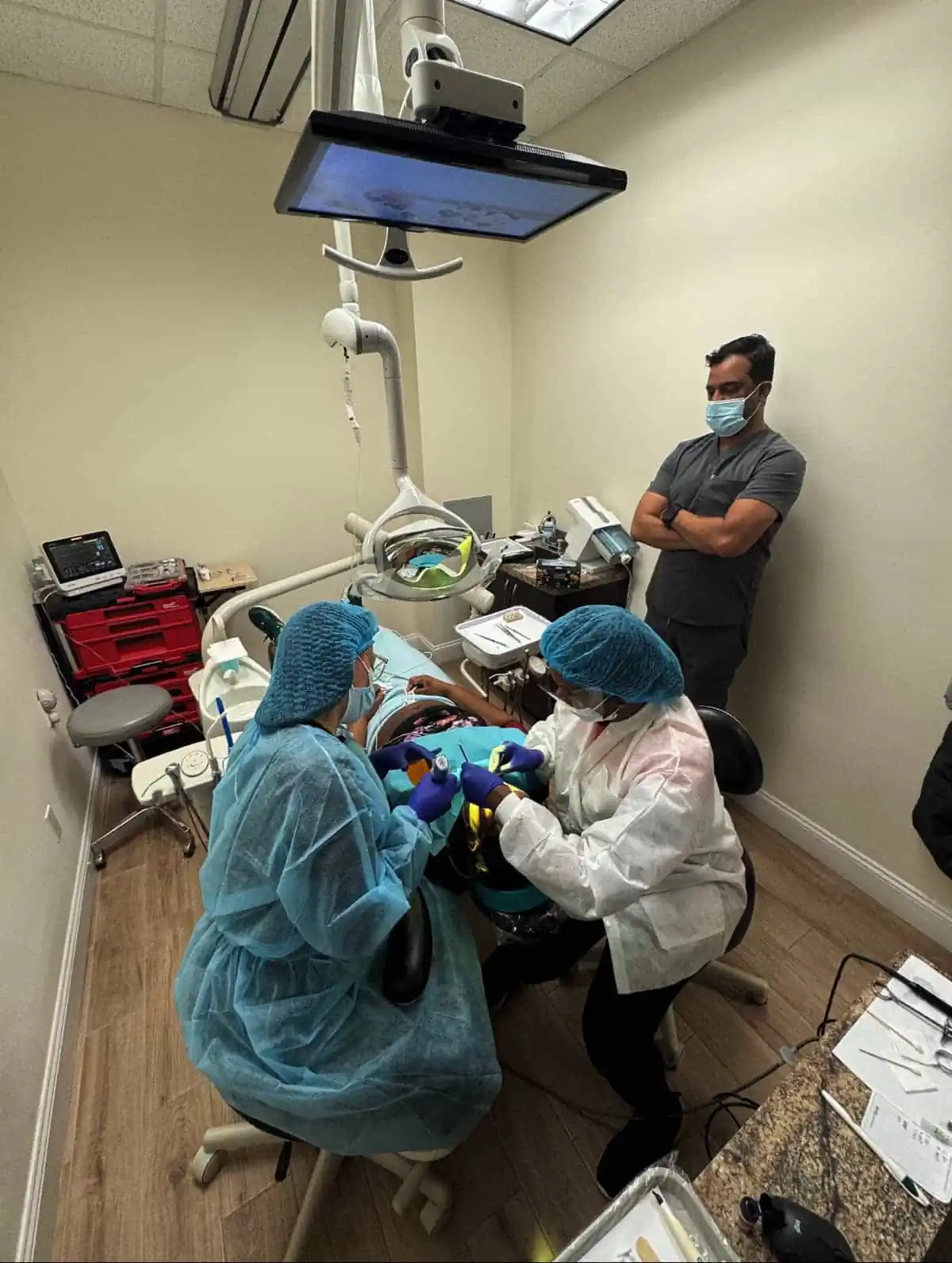

IV sedation for dental treatment
When it comes to dental visits, we all want a smooth and stress-free experience. But if the thought of sitting in the dentist’s chair makes your heart race, you’re not alone. Dental anxiety is a common issue, and many people avoid necessary treatments because of it. That’s where IV sedation dentistry comes in.
We will explore what IV sedation is, how it works, and why it might be a good option for you. Our goal is to make you feel comfortable and informed about your choices so you can confidently take charge of your dental health.
Understanding IV Sedation
IV sedation, also known as intravenous sedation, is a technique used to help patients relax during dental procedures. Unlike general anesthesia, IV sedation doesn’t make you completely unconscious. Instead, it places you in a deeply relaxed state, where you’re still aware of your surroundings, but you’re calm and anxiety-free.
How Does IV Sedation Work?
IV sedation involves administering a sedative drug directly into your bloodstream through a small needle inserted into your vein. The effects are quick, and your dentist can easily adjust the level of sedation to match your needs.
One of the greatest benefits of IV sedation is its ability to provide a high level of control over your comfort. You remain conscious and can respond to questions or instructions, but you’re in a state of deep relaxation, which makes it easier to undergo dental treatments without stress.
Benefits of IV Sedation Dentistry
Reducing Dental Anxiety
For many patients, the fear of dental procedures is a major barrier to maintaining oral health. IV sedation can significantly reduce anxiety, allowing you to receive necessary treatments without the usual stress and worry. It helps create a more pleasant experience, which can encourage regular dental visits and ultimately improve your oral health.
Minimizing Discomfort
IV sedation not only calms your nerves but also reduces the perception of pain. It’s especially useful for lengthy or complex procedures that might otherwise be uncomfortable. With IV sedation, you can breeze through your appointment with minimal discomfort.
Time Efficiency
Another advantage of IV sedation is the perception that time passes more quickly. Procedures that might seem lengthy feel shorter under sedation, making it easier for patients to undergo longer treatments in a single visit. This can be especially beneficial if you have a busy schedule and want to minimize the number of dental appointments.
Flexible and Safe
IV sedation is highly customizable. Your dentist can adjust the level of sedation to ensure you’re comfortable throughout the procedure. It’s also considered safe when administered by a trained professional, with your vital signs monitored closely throughout the treatment.
Who Can Benefit from IV Sedation?
IV sedation is a great option for various types of patients, including:
- Those with Dental Anxiety: If anxiety has kept you from visiting the dentist, IV sedation can help you overcome your fears and receive the care you need.
- Individuals with a Low Pain Threshold: If you’re particularly sensitive to pain, IV sedation can make dental procedures more comfortable.
- Patients with a Strong Gag Reflex: IV sedation can help relax your reflexes, making it easier for your dentist to perform certain procedures.
- People Undergoing Extensive Procedures: For more involved treatments, like oral surgery or multiple fillings, IV sedation can make the process less daunting.
What to Expect During Your Visit
Before the Procedure
Your dentist will review your medical history and any medications you’re taking to ensure IV sedation is a safe option for you. You’ll receive instructions on how to prepare for your appointment, such as fasting guidelines if needed.
During the Procedure
When you arrive for your appointment, a small needle will be inserted into your arm or hand to administer the sedative. Within moments, you’ll feel more relaxed. Throughout the procedure, your dentist will monitor your vital signs to ensure everything is going smoothly.
After the Procedure
After your treatment, you’ll need some time to recover as the sedation wears off. You might feel a bit groggy, so it’s important to have someone accompany you to the appointment and drive you home. Most people feel back to normal within a few hours.