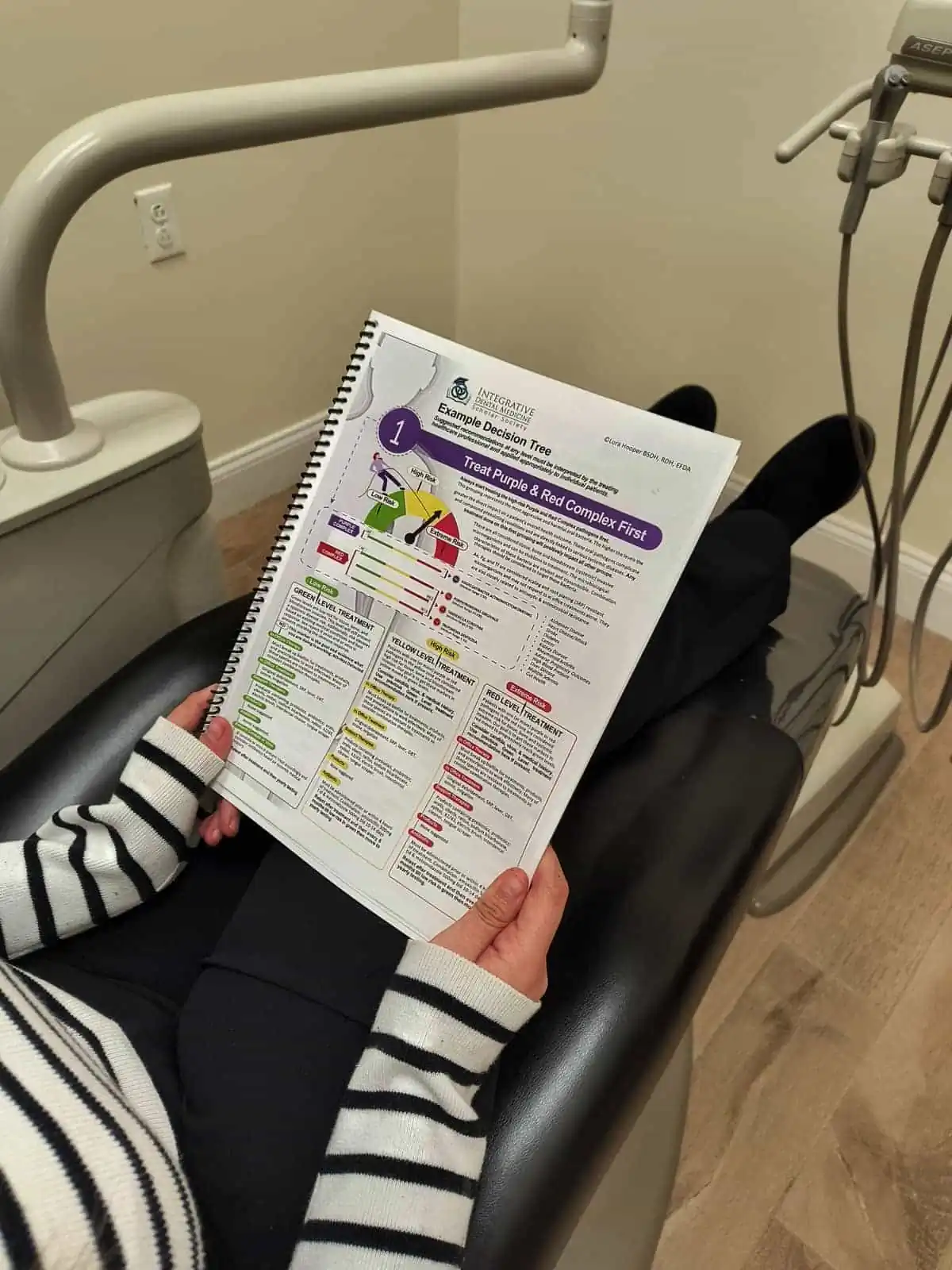

Saliva testing, also known as oral fluid testing, is a non-invasive diagnostic tool used in dental offices. It involves analyzing a sample of your saliva to detect various conditions.
This simple yet powerful test can reveal markers of oral diseases like periodontal disease and oral cancer. It can even detect systemic diseases like diabetes and certain viral infections.
So, let’s review the fascinating aspect of dental diagnostics.
Understanding Saliva Testing and Its Role in Dental Health
Saliva is more than just a fluid that keeps your mouth moist. It’s a window into your health.
Saliva testing in dental offices utilizes this natural fluid for diagnostic purposes. The process is simple and non-invasive, making it a patient-friendly option.
Saliva contains proteins, enzymes, hormones, and antibodies. These components can provide significant information about your oral and systemic health.
By analyzing these elements, dentists can gain insights into potential health issues. This includes oral diseases and even some systemic conditions.
Saliva testing plays a crucial role in preventive dentistry. Early detection of issues through saliva can lead to timely intervention, potentially saving you from complex treatments.
Dentists can use saliva testing as a preventive measure to anticipate and address potential problems before they become serious. This proactive approach is key in maintaining good oral health.
Understanding how saliva testing works allows patients to better appreciate the comprehensive care offered by modern dental practices. This knowledge empowers you to be more involved in decisions about your dental health.
In the long run, embracing the insights from saliva testing contributes to a more personalized and effective dental care experience.
The Non-Invasive Nature of Saliva Testing
Saliva testing stands out because it’s non-invasive. Unlike blood tests, it doesn’t require needles.
The process involves simply collecting a saliva sample. This can be done by swabbing the cheek or spitting into a container.
Patients often feel more comfortable with this approach. It’s straightforward and does not involve any pain or discomfort.
This ease of collection makes it particularly suitable for children and older adults. It’s also ideal for anyone nervous about traditional tests.
Additionally, the non-invasive nature of saliva testing extends to its convenience. It requires minimal preparation and can often be done swiftly during a routine dental visit.
How Saliva Testing Works: The Collection Process
- The collection process for saliva testing is simple and efficient. Dentists use various methods to collect samples.
- One common technique involves swabbing the inside of the cheek. This swab gathers enough saliva for analysis.
- Another method is asking the patient to spit into a special container. This straightforward approach suits many patients’ preferences.
- The collected saliva contains valuable information. It includes proteins, hormones, and antibodies crucial for diagnosis.
- Once collected, the sample is sent for detailed analysis. This analysis helps detect markers of oral and systemic health.
The Science Behind Saliva: What Your Saliva Reveals
Saliva is more than just liquid in your mouth. It holds a wealth of health information. This makes it a powerful tool in dental diagnostics.
Your saliva contains proteins, enzymes, and other molecules. These elements can reveal details about your health. For example, hormone levels can be measured from saliva samples.
Saliva testing can also track stress-related conditions. Cortisol, a stress hormone, is often present and measurable in saliva. This insight helps in understanding your overall well-being.
Additionally, saliva carries antibodies indicating infections. These markers assist in detecting past or current viral infections. This can be crucial for timely medical intervention.
Saliva can even provide clues about systemic conditions like diabetes. By measuring specific molecules, dentists gain insights into your metabolic health. This allows for more comprehensive and informed patient care.
Finally, the composition of your saliva can signal oral health issues. For instance, the presence of certain bacteria may indicate a high risk of tooth decay. Addressing these risks early can prevent more severe problems later.
Understanding what saliva reveals helps paint a complete picture of your health. It’s a vital aspect of modern, personalized dental care.
Saliva Testing for Oral Diseases: Periodontal Disease and Oral Cancer
Saliva testing is pivotal in identifying oral diseases. It can reveal biomarkers linked to periodontal disease. These markers signal inflammation and infection in the gums.
Periodontal disease, if untreated, can lead to tooth loss. Early detection through saliva testing is crucial. It allows for timely, targeted interventions.
Saliva can also aid in the detection of oral cancer. Specific proteins and genetic material in saliva indicate cancerous changes. Detecting these early increases the chance of successful treatment.
In fact, saliva testing can sometimes detect oral cancer before symptoms appear. This proactive approach saves lives. It provides a window of opportunity for early intervention.
Regular saliva tests assist dentists in monitoring a patient’s oral health. This leads to more personalized care. It also helps in adjusting treatment plans, ensuring better health outcomes.
Saliva Testing and Systemic Health: Detecting Diabetes and Viral Infections
Saliva tests can detect systemic diseases. They are helpful in identifying signs of diabetes. Certain glucose levels in saliva relate to blood sugar levels.
Diabetes can seriously affect oral health. Saliva testing helps in early detection of this condition. It supports better management and prevention strategies.
Viruses like the herpes simplex virus can also be detected through saliva. This includes other infections like hepatitis. The presence of specific antibodies signals these infections.
Saliva tests offer a non-invasive alternative. Unlike blood tests, they are painless and quick. They provide accurate insights into systemic health.
Additionally, saliva can be used to detect some markers of inflammation. These markers are often elevated in systemic illnesses. This makes saliva testing a valuable tool in holistic health care.
The Benefits of Saliva Testing: Quick, Painless, and Informative
Saliva testing offers several advantages. It is a quick and straightforward process. No need for needles or lengthy waits.
The procedure is pain-free, reducing patient anxiety. This makes it ideal for those afraid of invasive tests. Comfort and convenience are key benefits.
Results from saliva tests are often available quickly. This allows for prompt discussions with your dentist. Immediate insights lead to faster decision-making.
In terms of costs, saliva testing is economical. It reduces the need for more expensive tests. Patients and dental practices both benefit financially.
Importantly, saliva testing yields informative results. It can detect conditions not immediately apparent. The information aids in creating better, more tailored treatment plans.
Personalized Dental Care Through Saliva Diagnostics
Saliva testing plays a pivotal role in personalizing dental care. By analyzing oral fluids, dentists can tailor treatments specifically for each patient. This customization enhances care quality.
Different patients require different approaches. Saliva provides insights into individual oral health status. These insights enable precise diagnosis and targeted treatment planning.
Saliva diagnostics can identify specific bacteria or conditions. This understanding helps prevent issues before they develop. Early intervention means better outcomes for patients.
Patients with chronic oral conditions benefit greatly. Regular saliva testing allows for ongoing monitoring and adjustment of treatment plans. This leads to long-term health improvements.
Overall, the personalization in dental care through saliva diagnostics fosters a stronger dentist-patient relationship. Patients feel more understood and involved in their care. This engagement empowers them, enhancing their experience at the dental office.
The Future of Saliva Testing: Advancements and New Applications
The future of saliva testing in dental offices is promising. Technological advancements are expanding its applications. This growth broadens the scope of dental diagnostics.
Increased accuracy is a major advancement. New technologies refine the detection of biomarkers. This precision boosts confidence in test results and subsequent treatments.
Saliva testing is also branching into genetic analysis. Identifying genetic predispositions helps tailor preventive strategies. Patients receive more personalized care plans based on their unique profiles.
Another exciting development is the integration of digital tools. Immediate data processing allows for real-time analysis during dental visits. This enables quick decision-making.
Research continues to explore new uses for saliva testing. Future applications might include even more comprehensive health screenings. With ongoing innovation, saliva testing will likely become an indispensable tool in holistic patient care.
Empowering Patients: How Saliva Testing Can Improve Dental Visits
Saliva testing empowers patients by enhancing their understanding of oral health. It offers clear insights into personal health markers. With this information, patients can engage more actively in dental care decisions.
Patients benefit from increased autonomy. They contribute to the collection process, demystifying dental diagnostics. This involvement can reduce anxiety and increase comfort during visits.
Timely saliva test results mean quicker discussions with dentists. Immediate feedback supports collaborative decision-making. Patients leave dental offices more informed and confident in their treatment plans.
Furthermore, understanding the diagnostic value of saliva testing nurtures trust. Knowing it’s a thorough and advanced tool reassures patients. They can appreciate the depth of attention their dental health receives.
Finally, saliva testing can initiate valuable health conversations. Dentists can address broader health concerns based on test outcomes. This holistic dialogue enhances overall patient well-being, both oral and systemic.