Visiting the dentist can sometimes feel a bit overwhelming, especially when unfamiliar terms and procedures are mentioned. One such term you might have heard is “dental sealants.” But what exactly are they, and why are they considered an important part of dental care?
In the following, we’ll break down everything you need to know about dental sealants, including recent research findings, and discuss why they are an essential tool in maintaining good oral health.
Understanding Dental Sealants
Dental sealants are a thin, protective coating applied to the chewing surfaces of the back teeth, primarily the molars and premolars. These teeth have grooves and pits that can easily trap food particles and bacteria, making them susceptible to cavities. Sealants act as a barrier, protecting these vulnerable areas from decay. The innovation of sealants lies in their ability to prevent bacteria from infiltrating these hard-to-reach areas, effectively reducing the risk of decay.
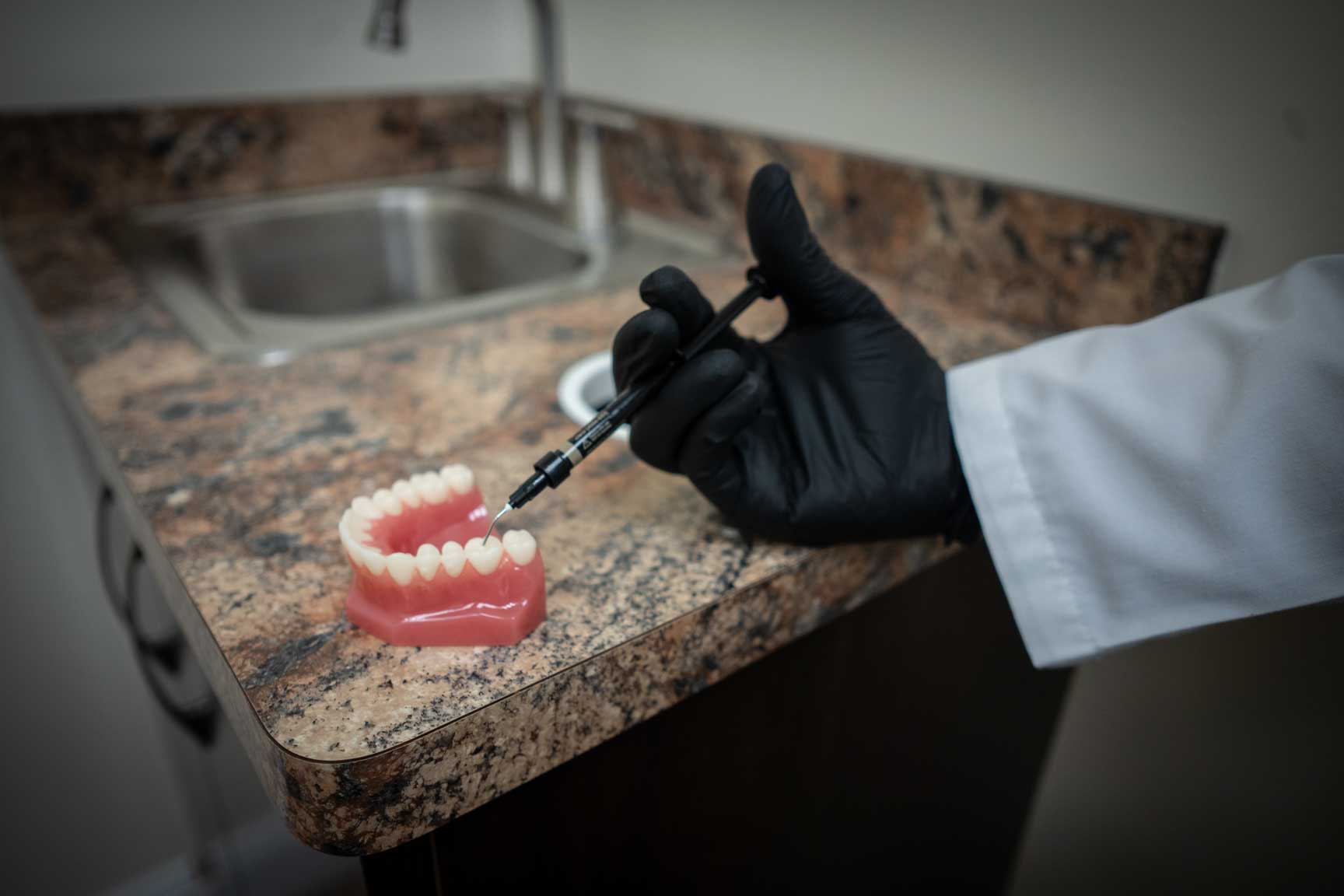
The application process is quick and painless. The dentist cleans and dries the tooth, applies an acidic gel to roughen the surface, rinses off the gel, and then paints the sealant onto the tooth. A special light may be used to harden the sealant, ensuring it stays in place. This non-invasive procedure not only ensures patient comfort but also enhances the longevity of the sealants, making them a practical choice for preventive care.
Why Are Sealants Important?
Dental sealants are particularly beneficial for children and teenagers, who are often at higher risk for cavities. However, adults can also benefit from sealants, especially if they have deep grooves in their teeth that are hard to clean. The universal applicability of sealants across different age groups underscores their importance in a comprehensive dental care regimen.
Preventing Cavities
Cavities are one of the most common dental problems, especially in children. According to the Centers for Disease Control and Prevention (CDC), sealants can reduce the risk of decay in molars by nearly 80%. This significant reduction is why many dentists recommend sealants as part of a comprehensive dental care plan. Beyond numbers, the preventive nature of sealants helps establish healthy oral habits from a young age, reducing the likelihood of more severe dental issues later in life.
Cost-Effective
Preventing cavities with sealants can save you money in the long run. Treating cavities can be costly, especially if they lead to more serious issues like root canals or crowns. Sealants are a relatively inexpensive preventive measure that can help avoid these costly procedures. Investing in sealants not only preserves your dental health but also shields you from potential financial burdens associated with extensive dental treatments.
Recent Research on Dental Sealants
In 2022, several studies have highlighted the efficacy of dental sealants in preventing tooth decay. One notable study published in the Journal of Dental Research found that sealants are effective in reducing the incidence of cavities in school-aged children. The study emphasized that sealants provide a physical barrier that prevents food particles and bacteria from settling in the grooves of the teeth. This barrier function is crucial in maintaining the structural integrity of teeth, particularly in high-risk groups such as children.
Another 2019 study published in the American Journal of Dentistry focused on the long-term benefits of sealants. It revealed that children who received sealants had significantly fewer cavities over a three-year period compared to those who did not receive sealants. The longevity of protection offered by sealants demonstrates their value as a sustainable preventive measure. These findings underscore the importance of sealants in pediatric dental care and support their use as a preventive measure against tooth decay. By incorporating sealants into routine dental practices, we can enhance overall oral health outcomes.
Sealants for Teeth: Who Should Get Them?
While sealants are most commonly associated with pediatric dental care, they are beneficial for individuals of all ages. Here’s a closer look at who should consider getting sealants:
Children and Teenagers
Children and teenagers are the primary candidates for sealants. As soon as a child’s permanent molars come in, usually between the ages of 6 and 14, it’s a good time to consider sealants. These years are when the risk of developing cavities is highest. Parents can play a proactive role by ensuring their children receive sealants, thereby instilling a foundation of oral health that can last a lifetime.
Adults
Adults without decay or fillings in their molars can also benefit from sealants. If your dentist notices deep grooves or pits in your teeth, they might recommend sealants to protect those areas from potential decay. For adults who may have missed out on sealants during childhood, it’s never too late to add this preventive step to their dental care routine, enhancing their oral health resilience.
Individuals with a History of Cavities
If you or your child has a history of cavities, sealants can be an effective tool in preventing future tooth decay. They offer an added layer of protection and help maintain oral health. Understanding your dental history and risk factors can guide your decision-making process when considering sealants, ensuring you take the necessary precautions to safeguard your teeth.
Addressing Concerns About Dental Sealants
It’s natural to have questions or concerns about any dental procedure, including sealants. Here are some common questions patients have about dental sealants:
Are Sealants Safe?
Yes, dental sealants are safe. They are made from a plastic material that is safe for use in the mouth. Some people worry about the small amount of BPA (bisphenol A) present in sealants, but studies have shown that the levels are well below the safety limits set by health organizations. Dental professionals continuously monitor and evaluate the materials used in sealants, ensuring they meet stringent safety standards and provide peace of mind to patients.
How Long Do Sealants Last?
Sealants can last several years before they need to be reapplied. However, they should be checked regularly during dental visits to ensure they are still intact and providing protection. The durability of sealants depends on factors such as oral hygiene practices and dietary habits, highlighting the importance of regular dental check-ups to assess their condition.
Do Sealants Hurt?
The application of dental sealants is quick and painless. There is no need for drilling or anesthesia, and the process can usually be completed in a single dental visit. The non-invasive nature of the procedure makes it accessible to a wide range of patients, including those who may have dental anxiety or fear of more invasive treatments.
- Hong M, Vuong C, Herzog K, Ng MW, Sulyanto R. Sealed primary molars are less likely to develop caries. J Am Dent Assoc. 2019 Aug;150(8):641–648. doi: 10.1016/j.adaj.2019.04.019.