Understanding Gum Disease
Before we get into laser gum therapy, it’s important to understand what gum disease is. Gum disease, or periodontal disease, is an infection of the tissues that hold your teeth in place. It’s usually caused by poor brushing and flossing habits that allow plaque—a sticky film of bacteria—to build up on the teeth and harden. In its early stage, called gingivitis, the gums can become swollen and bleed. If not treated, it can advance to periodontitis, leading to sore, bleeding gums, painful chewing problems, and even tooth loss.
What is Laser Gum Therapy?
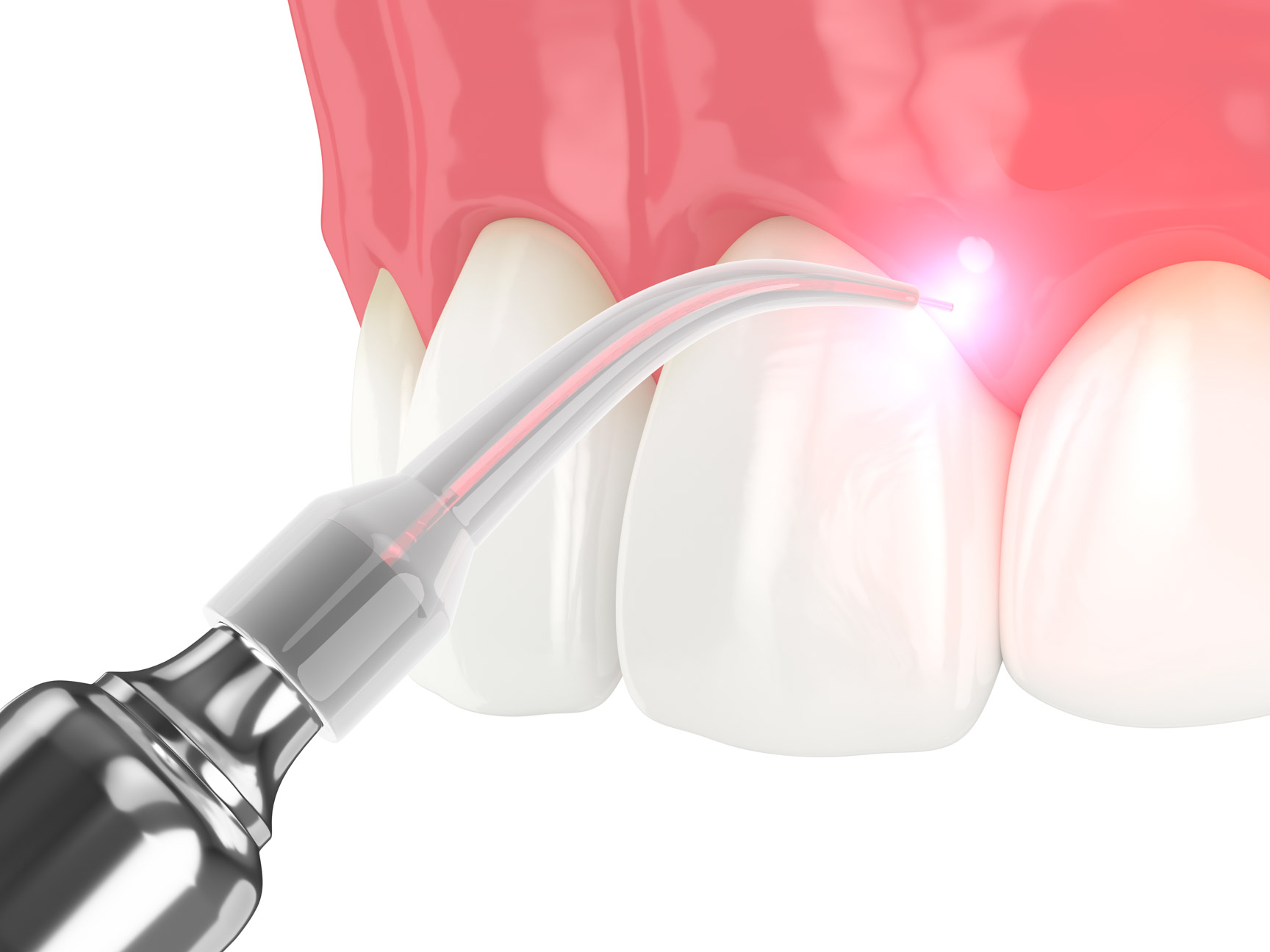
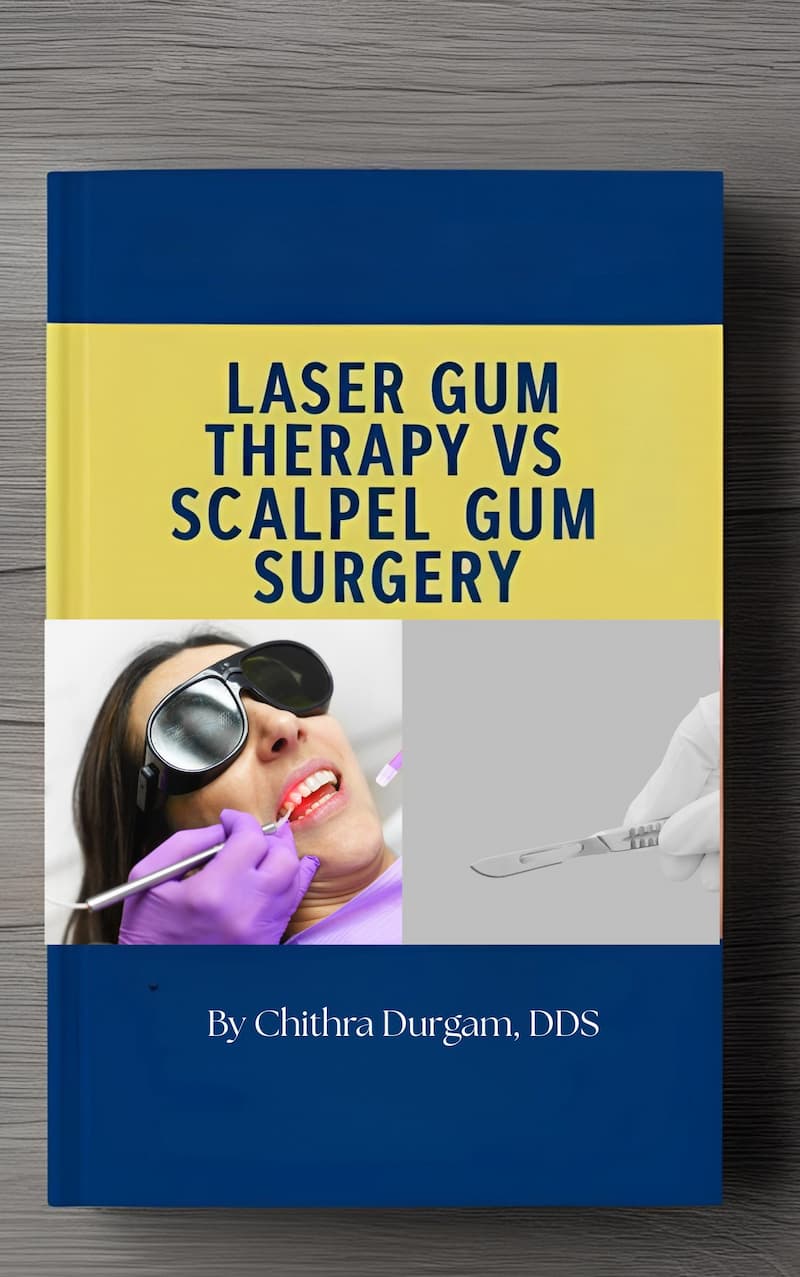
Laser gum therapy is a cutting-edge treatment used to fight periodontal disease. Unlike traditional methods, which might involve cutting into the gums with a scalpel, laser therapy uses a highly focused beam of light to treat the infected area. It’s a minimally invasive procedure, meaning it causes less discomfort and has a quicker recovery time compared to conventional surgery.
How Does Laser Gum Therapy Work?
During the procedure, a dental professional uses a dental laser to access and remove the inflamed gum tissue around the root of the tooth. Once the infected tissue is removed and the root is exposed, the root scaling begins. This involves removing the calculus and plaque built up below the gumline and around the root. The laser is then used to smooth the root, which promotes healing and helps prevent future infections.
Benefits of Laser Gum Therapy
Laser gum therapy comes with several benefits that make it an attractive option for treating gum disease. Here’s why you might consider it:
Less Pain and Discomfort
One of the primary advantages of laser gum therapy is that it’s less painful than traditional surgery. Because the laser is less invasive than a scalpel, patients generally experience less bleeding, swelling, and discomfort during and after the procedure.
Faster Healing and Recovery
Laser treatment usually results in quicker healing times. The precision of the laser means that there’s minimal damage to surrounding tissue, which helps speed up recovery and reduces the risk of infection.
Highly Effective
Laser gum therapy is precise and effective. It targets only the diseased tissue while preserving healthy gums, which is crucial for maintaining overall oral health.
Reduces Anxiety
For many, the thought of undergoing gum surgery can cause anxiety. Knowing that laser therapy is less invasive can help ease those fears, making the treatment process less intimidating.
Research and Developments in Laser Gum Therapy
Recent studies have highlighted the effectiveness of laser gum therapy in treating periodontal disease. According to a study published in the Journal of Clinical Periodontology in 2021, laser therapy showed significant improvements in reducing periodontal pocket depths and inflammation compared to traditional methods. Another study from 2022 in the International Journal of Periodontics & Restorative Dentistry found that patients who underwent laser treatment reported less pain and a better overall experience than those who received conventional surgery.
These findings underscore the growing recognition of laser therapy as a viable and effective treatment option for gum disease.
Is Laser Gum Therapy Right for You?
If you’re considering laser gum therapy, it’s important to consult with your dentist or periodontist to determine if it’s the right option for your specific condition. They’ll assess the severity of your gum disease and discuss the best treatment plan for you.
What to Expect During the Procedure
During the procedure, you can expect a relatively quick and straightforward process. Your dentist will numb the area with a local anesthetic to ensure your comfort. The laser will then be used to remove the infected tissue and clean the area. Most sessions last between one to two hours, depending on the extent of the treatment required.
Post-Procedure Care
After the procedure, your dentist will provide you with detailed instructions on how to care for your gums as they heal. This will likely include recommendations on diet, oral hygiene, and follow-up visits to monitor your progress.