
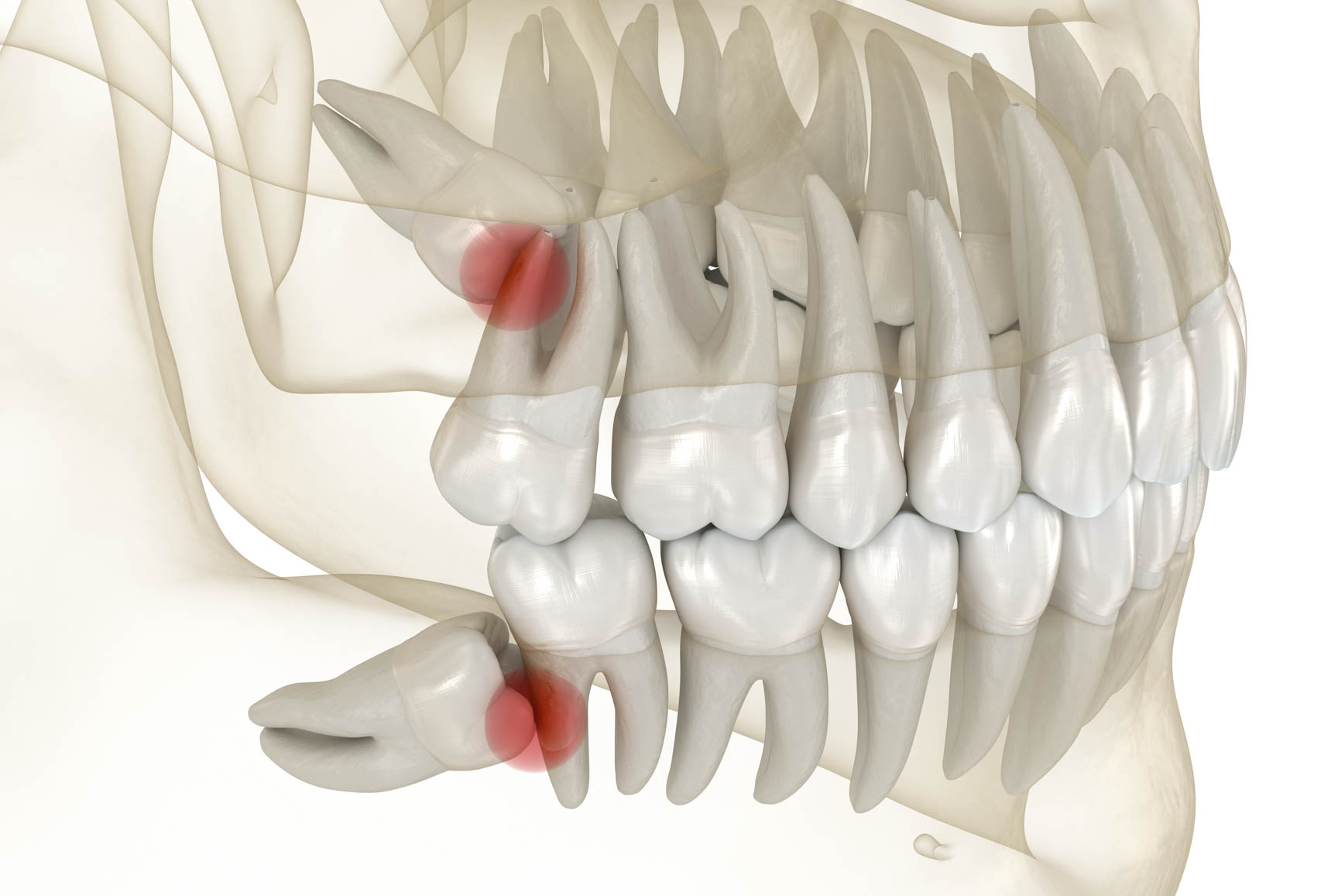
Wisdom teeth. Just the thought of them can make your jaw ache, right? These late bloomers typically emerge in your late teens or early twenties, and for many, they bring along a world of confusion and discomfort. Let’s dive into the nitty-gritty of wisdom teeth and explore why their extraction might not be as daunting—or as necessary—as it seems, especially when it comes to arch space.
What Are Wisdom Teeth?
Wisdom teeth are the third set of molars that usually appear at the back of your mouth. Most people have four of them, but it’s not uncommon to have fewer, or none at all. They are called “wisdom” teeth because they emerge at a more mature age. But wisdom teeth have a reputation for causing trouble, primarily due to lack of space in the mouth.
Common Issues with Wisdom Teeth
Let’s face it, wisdom teeth can be a real pain—literally! Here’s why:
1. Impacted Wisdom Teeth
When there’s not enough room for them to grow, wisdom teeth can become “impacted,” meaning they’re trapped beneath the gum line or only partially erupt. This can lead to:
- Pain and Swelling: Impacted wisdom teeth can cause significant discomfort and inflammation.
- Infection: Partially erupted teeth can create pockets where bacteria thrive, leading to infections.
- Damage to Other Teeth: Impacted teeth can push against neighboring molars, potentially causing damage or shifting them out of alignment.
2. Crowding
One common misconception is that wisdom teeth can cause crowding of the front teeth. However, recent research suggests this isn’t necessarily the case.
Debunking the Myth: Wisdom Teeth and Arch Space
For years, it was believed that wisdom teeth could push other teeth out of alignment, affecting the arch space. However, recent studies have shed light on this topic.
Research Insights
A study published in 2021 in the Journal of Oral and Maxillofacial Surgery examined the impact of wisdom teeth on dental arch space. The findings indicated that wisdom teeth do not exert enough pressure to cause significant changes in the alignment of other teeth. The study concluded that other factors, such as genetics and overall oral health, play a more substantial role in dental crowding.
What This Means for You
If you’re worried that your wisdom teeth are going to ruin your perfect smile, rest easy. While they can cause discomfort or other issues, they are unlikely to affect the alignment of your front teeth or the overall arch space.
Wisdom Teeth Removal: When Is It Necessary?
While not all wisdom teeth need to be removed, there are certain situations where extraction is recommended:
1. Pain and Discomfort
If your wisdom teeth are causing persistent pain or discomfort, it might be time to consider extraction. This is particularly true if the pain is due to impaction or infection.
2. Repeated Infections
Frequent infections around the wisdom teeth can lead to more severe oral health issues. In such cases, dentists often recommend removal to prevent further complications.
3. Damage to Nearby Teeth
If your wisdom teeth are damaging neighboring teeth or causing alignment issues with braces or other orthodontic work, extraction might be necessary.
The Extraction Process: What to Expect
The thought of having teeth pulled can be intimidating, but knowing what to expect can ease your anxiety.
Pre-Extraction
Your dentist or oral surgeon will start with an X-ray to assess the position of your wisdom teeth. They’ll discuss the procedure with you and answer any questions you have. Depending on the complexity, you might have local anesthesia, sedation, or general anesthesia.
The Procedure
The extraction itself is usually straightforward. Here’s a basic rundown:
- Anesthesia: You’ll receive anesthesia to ensure you’re comfortable and pain-free.
- Incision: If your teeth are impacted, the dentist will make an incision to access them.
- Removal: The tooth is gently extracted. Sometimes, it’s broken into smaller pieces for easier removal.
- Stitches: If necessary, stitches are used to close the incision.
Recovery
Post-extraction, you’ll need to rest and follow specific aftercare instructions to ensure proper healing. This might include taking prescribed pain medication, avoiding hard foods, and keeping the extraction site clean.